Why Dental Implants Are the Best Tooth Replacement Option

Unlike dentures that sit on your gums or bridges that require grinding down healthy teeth, dental implants are surgically placed into your jawbone, creating a foundation as strong as natural tooth roots. This makes them the most durable, functional, and natural-looking option available.

At Smile More Today, we specialize in:

  • Single Tooth Implants Replace individual missing teeth
  • All-on-4 Full Arch Restoration Complete smile in one day
  • Implant-Supported Dentures Stable, secure denture solution
  • Bone Grafting Rebuild bone for successful implants
  • Medicare Accepted For medically necessary cases
  • Advanced Technology 3D imaging and computer-guided surgery

For complex implant cases, visit our specialized center: DentalImplantChicago.com →
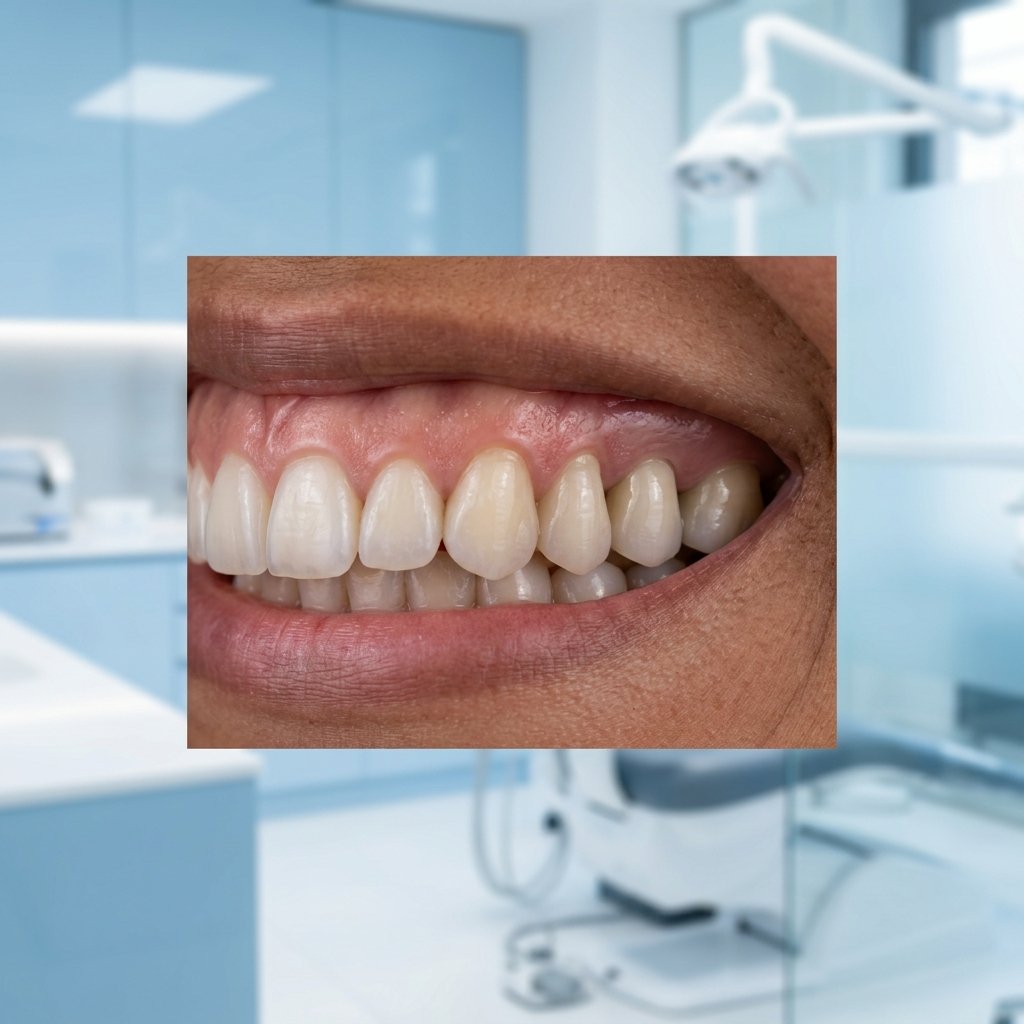
Dental Implants Excellence
Permanent
Solutions

What Are Dental Implants?

The Three-Part Solution

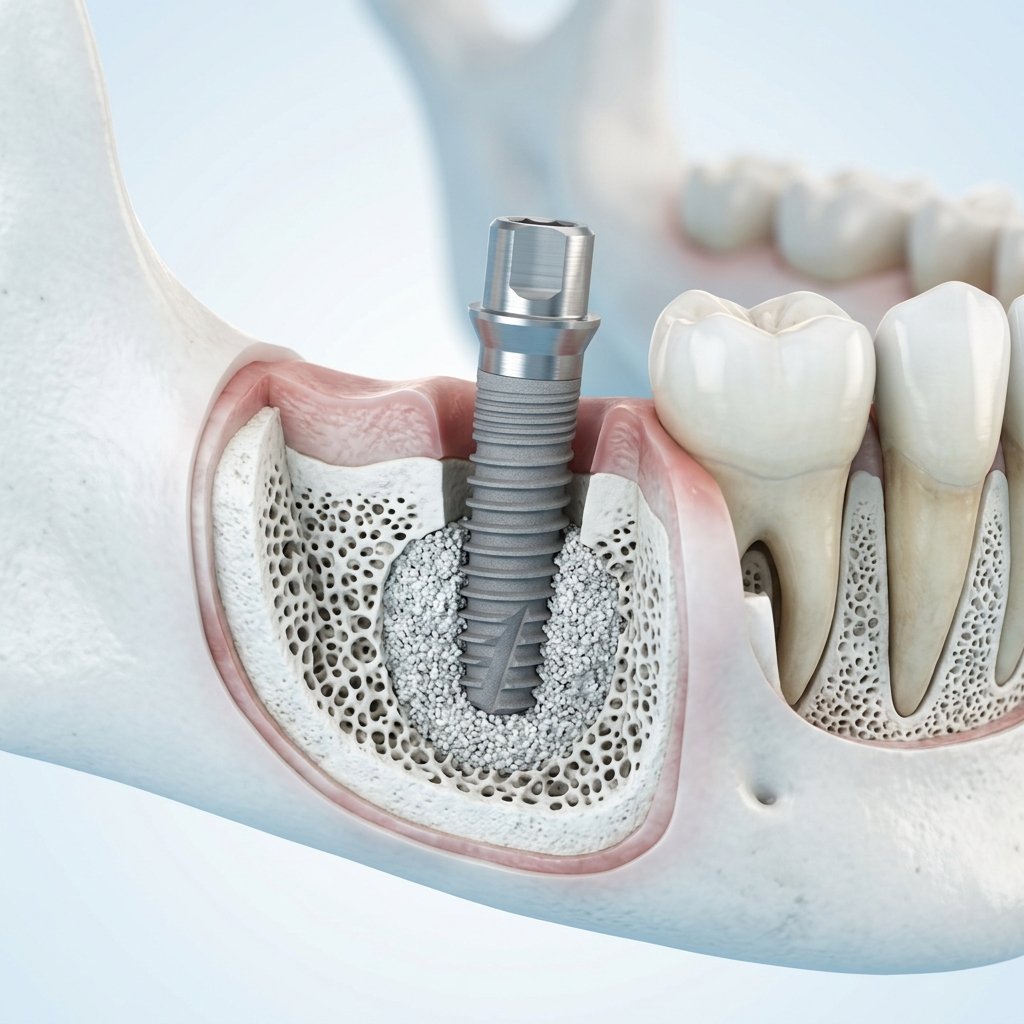
A complete dental implant consists of three components working together to replicate the function and appearance of a natural tooth.

01

1. The Implant Post (Artificial Root)

  • Small titanium screw (3-5mm diameter, 10-15mm long)
  • Surgically placed into jawbone
  • Fuses with bone through osseointegration (3-6 months)
  • Provides foundation as strong as natural root
02

2. The Abutment (Connector)

  • Metal or ceramic post attached to implant
  • Connects implant to visible tooth
  • Projects slightly above gum line
  • Custom-designed for each case
03

3. The Crown/Bridge/Denture (Visible Tooth)

  • Custom-fabricated restoration
  • Matches your natural teeth perfectly
  • Made from high-quality porcelain or zirconia
  • Secured to abutment permanently

The Result: A tooth replacement that looks, feels, and functions like your natural teeth.

Dental Implants vs. Other Options

Why Implants Are Superior

See how dental implants compare to traditional bridges and dentures across key long-term factors.

Feature Dental Implants Dental Bridge Dentures
Adjacent Teeth Not affected Must grind down 2
healthy teeth
Can cause bone loss
under denture
Bone Preservation Stimulates bone like
natural root
Bone loss continues Accelerates bone loss
Stability Permanently fixed Fixed but dependent
on adjacent teeth
Can slip and move
Chewing Power 90% of natural 80% of natural 25-30% of natural
Speech Natural Natural Can cause clicking/slipping
Appearance Most natural Natural but can show
metal line
Often looks artificial
Comfort Feels like your own tooth Usually comfortable Can cause sore spots
Maintenance Brush/floss like
natural teeth
Special flossing required Remove and clean nightly
Lifespan 25+ years to lifetime 10-15 years 5-7 years
Dietary Restrictions Eat anything Mostly normal Avoid hard, sticky foods
Cost (Initial) $3,500–$6,000
per tooth
$3,000–$7,000 $1,500–$3,000
per arch
Cost (Lifetime) One-time investment Replace 2-3 times Replace 4-6 times

The Bottom Line

Implants cost more initially but provide superior function, aesthetics, and longevity—making them the most cost-effective long-term solution.

Single Tooth Dental Implants

Replace One Tooth Without Affecting Others

Single tooth implants are the ideal solution when you’re missing one tooth. Unlike a bridge that requires grinding down adjacent healthy teeth, an implant is a standalone solution that preserves your natural teeth.

Ideal For:

  • One missing tooth
  • Failed root canal
  • Tooth lost due to trauma
  • Congenitally missing tooth
  • Tooth beyond repair

The Process:

Consultation (Week 1):
  • • 3D CBCT scan of jawbone
  • • Treatment planning
  • • Cost discussion
  • • Insurance verification
Implant Placement (Week 2-3):
  • • Local anesthetic (completely numb)
  • • Surgical placement of implant
  • • Healing cap or temporary crown
  • • 1-2 hours procedure time | 1-2 days recovery
Healing Period (Months 2-4):
  • • Implant integrates with bone
  • • No pain during this phase
  • • Temporary tooth if visible area
Crown Placement (Month 4-5):
  • • Impressions taken
  • • Custom crown fabricated
  • • Permanent crown secured
  • • Final bite adjustment
Single Tooth Implant Result
Total Timeline 4-6 months
Investment $3,500–$6,000
Success Rate 95-98%

All-on-4® Full Arch Dental Implants

Replace All Your Teeth with Just 4 Implants Per Arch

All-on-4 is a revolutionary technique that replaces an entire arch of teeth using only four strategically placed implants. This innovative approach often eliminates the need for bone grafting and allows for same-day temporary teeth.
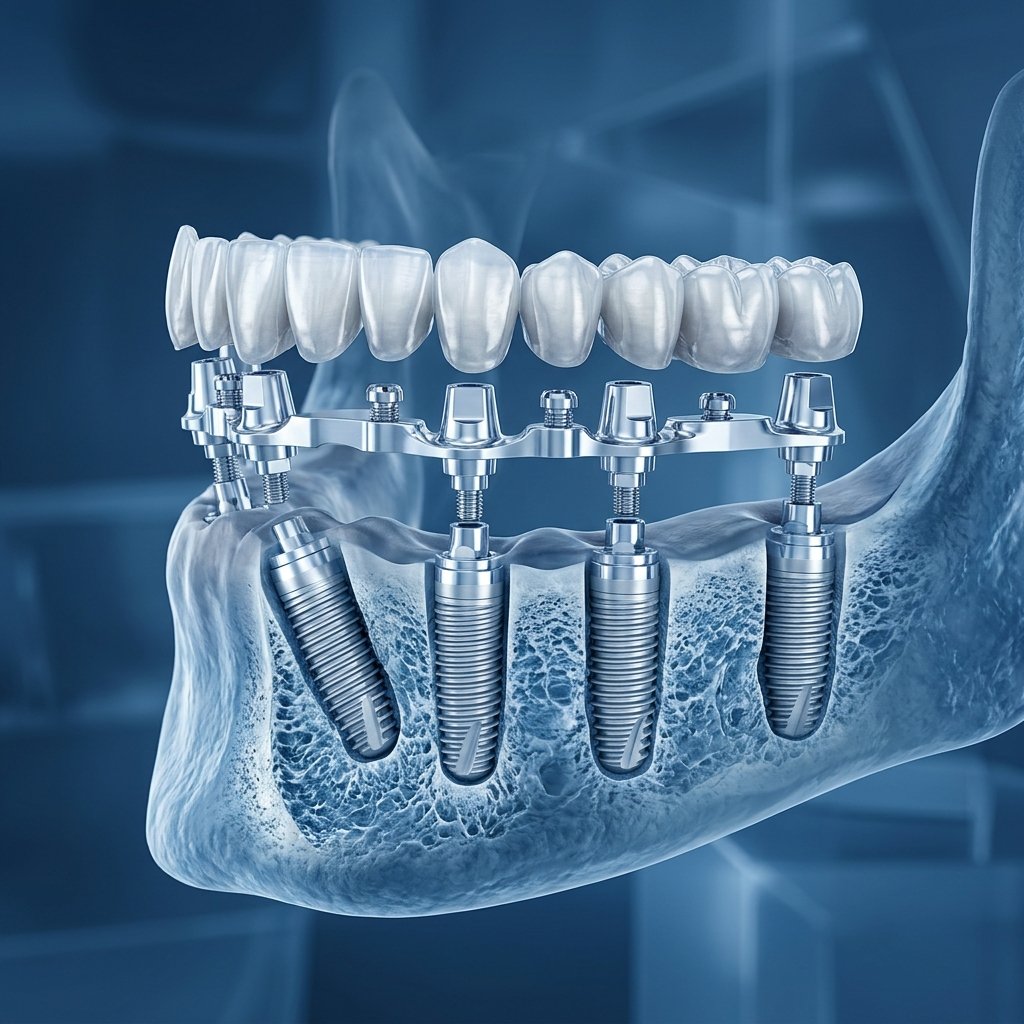
All-on-4 Dental Implants
Success Rate
98%+

How All-on-4 Works:

  • 1
    Two Front Implants Placed vertically in dense front jawbone
  • 2
    Two Back Implants Angled 30-45 degrees to avoid sinuses and maximize bone contact
  • 3
    Immediate Bridge Full arch of teeth secured to implants same day
  • 4
    Permanent Teeth Delivered after 3-6 months of healing

Benefits of All-on-4:

Full arch with only 4 implants (vs. 6-10 traditional)
Often no bone grafting needed (angled placement)
Same-day temporary teeth (never go without teeth)
Faster treatment timeline (4-6 vs. 12-18 months)
Lower cost (fewer implants = less expense)
Immediate function (eat soft foods right away)
Prevents bone loss (implants stimulate bone)
No slipping or adhesives (permanently fixed)

The All-on-4 Process:

Day 1: Surgery & Temporary Teeth
  • • Extract any remaining failing teeth
  • • Place four implants per arch
  • • Attach temporary bridge
  • • Leave with complete smile | 2-4 hours procedure
Months 1-4: Healing
  • • Wear temporary teeth
  • • Soft food diet initially
  • • Implants integrate with bone
  • • Regular checkup visits
Month 4-6: Final Teeth
  • • Impressions for permanent bridge
  • • Custom fabrication
  • • Delivery of final teeth | Lifetime of smiling!

Ideal Candidates:

  • Missing most or all teeth in one or both arches
  • Wearing dentures and want permanent solution
  • Moderate to good bone density
  • Good overall health
  • Non-smoker or willing to quit
All-on-4 Investment: $15,000–$25,000 arch

Complete All-on-4 Guide →

Implant-Supported Dentures

The Best of Both Worlds

Implant-supported dentures snap onto 2-4 implants, providing much greater stability than traditional dentures while being more affordable than All-on-4 full arch restoration.
Removable (Snap-On)

  • Denture snaps onto 2-4 implant attachments
  • Remove for cleaning
  • Much more stable than traditional dentures
  • More affordable option
Investment $6,000–$12,000 arch

Fixed (Bar-Retained)

  • Denture screwed onto 4-6 implants
  • Only dentist can remove
  • Maximum stability
  • Close to All-on-4 function
Investment $12,000–$20,000 arch

Key Benefits:

  • More affordable than All-on-4
  • Much better stability than regular dentures
  • Prevents bone loss
  • Improved chewing ability
  • Increased confidence

Best For:

  • Budget-conscious patients
  • Those who want removability for easy cleaning
  • Need more support than traditional dentures alone
  • Want permanence with a limited investment
+ +
Bone Grafting for Dental Implants
Building a Strong Foundation

Bone Grafting for Implants

Essential Foundation for Success

When you lose a tooth, the jawbone in that area begins to deteriorate. Bone grafting rebuilds lost bone to create an adequate foundation for successful implant placement and long-term stability.

When Bone Grafting Is Needed:

  • Tooth lost > 6 months ago
  • Wore dentures for years
  • Severe gum disease
  • Natural thin bone structure
  • Sinus too close to upper jaw

Socket Preservation

  • • Done immediately after extraction
  • • Prevents initial bone collapse
  • • Heals in 3-4 months

Ridge Augmentation

  • • Rebuilds width and height of jawbone
  • • Targeted for moderate bone loss
  • • Heals in 4-6 months

Advanced Materials

  • Your own bone (from chin or jaw)
  • Donor bone (thoroughly sterilized)
  • Animal/Synthetic (biocompatible)

Can I Graft and Implant the Same Day?

Sometimes! Minor bone grafting can often be done simultaneously with implant placement. Extensive grafting requires healing before implant surgery.

Investment Range
$500 – $3,000

Medicare & Dental Implants

We're One of the Few Practices That Accepts Medicare

Most dental offices don't accept Medicare or won't navigate the complexities. We're different. We have extensive experience helping Medicare patients access dental implant care when medically necessary.

Medically Necessary Cases:

  • Severe bone loss (nutrition)
  • Facial trauma or accidents
  • Cancer rehabilitation
  • Medical complications

Medicare Advantage Plans:

  • Many plans include specific dental benefits
  • Often cover 50% of implants up to annual maximums
  • We verify your specific plan coverage for you
Medicare Dental Consultation

How We Support You:

  • Evaluate medical necessity of your case
  • Gather required documentation
  • Submit pre-authorization to Medicare
  • File all claims on your behalf
  • Handle appeals if initially denied

Sleep Apnea Connection: We coordinate implant and sleep treatment. Oral appliances are often covered by Medicare as DME.

The Dental Implant Process

Your Journey to a Perfect Smile

01

Consultation & Planning

WEEK 1

We use 3D CBCT imaging to map your jawbone with sub-millimeter precision, ensuring a safe and predictable outcome.

  • Oral Exam
  • 3D CT Scan
  • Digital X-Rays
  • Plan Design
Clinical Time: 60-90m FREE ($395 Value)
02

Implant Surgery

WEEKS 2-4

A comfortable procedure using local anesthetic and optional sedation. Most patients return to normal activities in 48 hours.

During:
  • • Numbing/Sedation
  • • Precise Placement
  • • Healing Cap
Recovery:
  • • 1-2 day rest
  • • Soft food diet
  • • Managed comfort
03

Healing & Integration

MONTHS 2-4

The bio-integration phase (Osseointegration) ensures the implant becomes a permanent part of your anatomy.

No pain or major movement during this stage. We monitor your progress with regular, quick check-ups.
04

Final Crown Delivery

MONTHS 4-6

The finishing touch. We custom-craft your restoration to match your natural teeth perfectly in shade and shape.

Abutment
Secure connector
Fabrication
Custom milling
Try-in
Visual check
Delivery
Permanent bond
Total Journey: 4-7 Months
Start Your Consultation →

Dental Implant Success Factors

Maximizing Your Success Rate

What Helps Implants Succeed

  • Excellent oral hygiene (brush twice, floss daily)
  • Regular dental checkups (every 6 months)
  • Non-smoking (smoking reduces success by 15%)
  • Well-controlled health conditions (diabetes, etc.)
  • Adequate bone density
  • Following post-operative instructions
  • Healthy gums before surgery
  • Choosing experienced implant dentist

What Harms Implants

  • Smoking (significantly impairs healing)
  • Poor oral hygiene (causes peri-implantitis)
  • Uncontrolled diabetes
  • Teeth grinding without nightguard
  • Skipping dental appointments
  • Chewing hard objects (ice, pens)

Important: Smoking is the #1 preventable cause of implant failure. We strongly recommend quitting 2 weeks before and 8 weeks after surgery.

95-98% Success Rate

When managed correctly, dental implants are the most successful and long-lasting tooth replacement option in history.

10+
Years of Durability

Caring for Your Dental Implants

Simple Maintenance for Lifelong Success

Daily Home Care

  • • Brush twice daily with soft-bristle brush
  • • Floss daily (special floss or water flosser)
  • • Use non-abrasive toothpaste
  • • Avoid metal objects/picks on implants

Professional Care

  • • Checkups & cleanings every 6 months
  • • Annual X-rays to monitor bone levels
  • • Specialized implant cleaning instruments
  • • Early detection of potential issues

Long-Term Protection

  • • Nightguard if you grind your teeth
  • • Mouthguard for all contact sports
  • • Strictly avoid smoking/tobacco products
  • • Maintain overall systemic health

A Lifetime Investment

With proper care, your dental implants can last 25+ years or even a lifetime. While the crown may need replacement every 10-15 years, the implant foundation remains the most predictable dental treatment available today.

Lifelong Durability 98% Predictability
Dental Care Routine

Dental Implant Costs

An Investment in Your Quality of Life

Single Tooth Implant

$3,500 – $6,000
  • • Includes implant post & abutment
  • • Custom porcelain crown
  • • All clinical appointments

Multiple Teeth Bridge

$10,000 – $20,000
  • • 3-4 implants + bridge restoration
  • • More affordable than individual units
  • • Full quadrant restoration

All-on-4® Full Arch

$15,000 – $25,000
  • • Complete upper or lower replacement
  • • Fixed bridge (non-removable)
  • • "Teeth in a Day" technology

Supported Dentures

$6,000 – $20,000
  • • Per arch (Upper or Lower)
  • • Depends on snap-on vs. fixed bar
  • • Exceptional stability for dentures

Insurance & Financing

Insurance Coverage:

Most plans cover 50% after deductible. We help maximize your annual maximums and can spread treatment across two benefit years if needed.
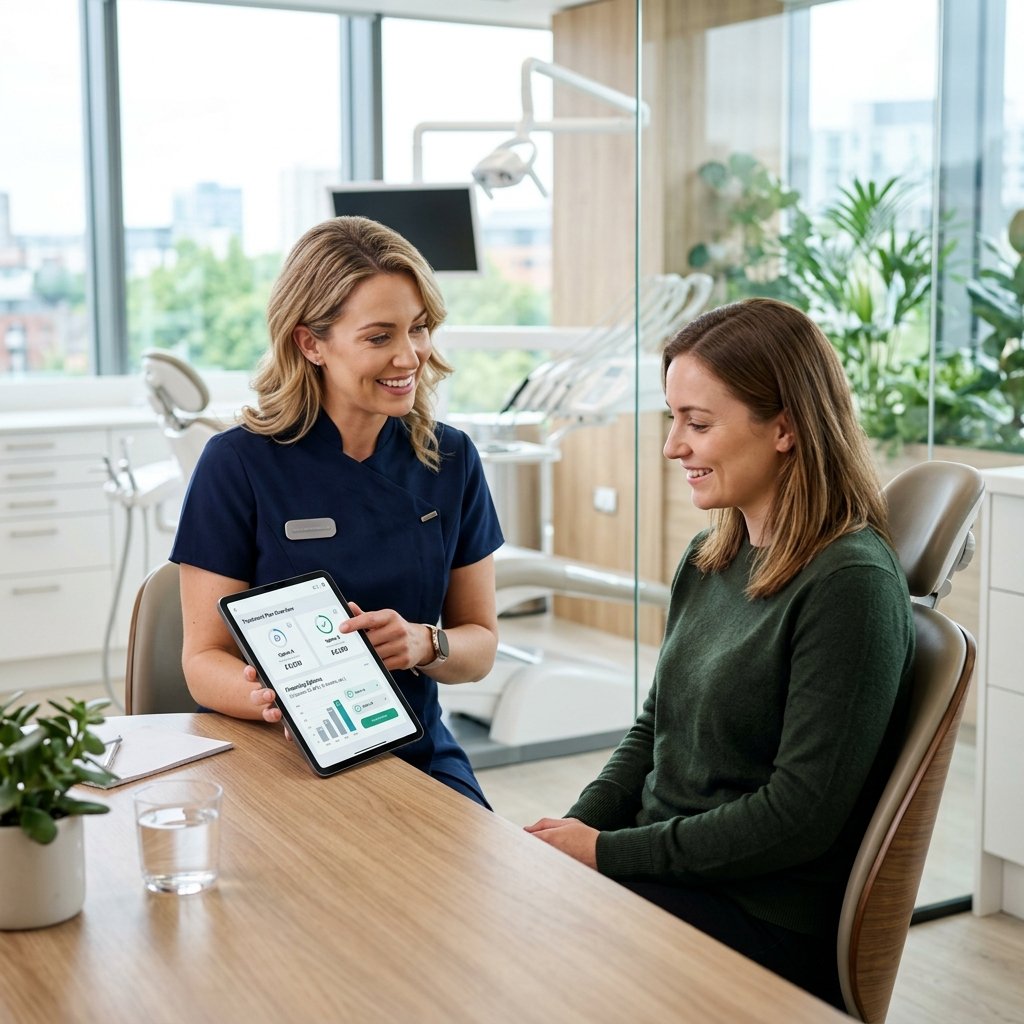
Financing Options:
  • CareCredit (0% APR)
  • LendingClub Loans
  • In-house payments
  • HSA/FSA Eligible
Transparent Dental Consultation

Investment Comparison Cost analysis over the treatment lifespan

Dental Implant 25+ Year Lifespan
$180 / yr
Dental Bridge Replaced every 10 years
$350 / yr
Standard Denture Replaced every 5 years
$500 / yr

Implant technology represents the absolute best long-term financial and clinical value for modern tooth replacement.

Dental Implant FAQ

Find answers to the most common questions about dental implants at Smile More Today.

Most patients report less pain than expected. During surgery you're completely numb. Afterward, discomfort is typically mild to moderate (similar to tooth extraction) and well-controlled with medication. Most patients take only 2-3 days off work.

With proper care, implants can last 25+ years or even a lifetime. Studies show 95-98% success rates over 10+ years. The crown may need replacement every 10-15 years, but the implant itself rarely fails once integrated.

Age alone is rarely a limiting factor. We've successfully treated patients in their 80s and 90s. What matters is overall health and bone quality, which we assess during consultation.

Yes! Well-controlled diabetes is not a contraindication. Success rates are slightly lower than non-diabetics but still excellent (90%+). We work with your physician to optimize your health before surgery.

Bone grafting can rebuild lost bone. The All-on-4 technique is specifically designed to work with less bone through strategic angulation. We'll assess your bone and recommend the best approach during consultation.

Many dental insurance plans provide 50% coverage for implants after deductible, subject to annual maximums. Medicare may cover medically necessary cases. We verify your specific benefits before treatment.

Yes! Implants restore 80-90% of natural chewing power. You can eat steak, apples, corn on the cob—foods denture wearers typically avoid. After initial healing (2-4 weeks soft food), there are virtually no dietary restrictions.

Mini implants are smaller diameter (less than 3mm) and primarily used for stabilizing dentures. Regular implants (3.5-5mm) are stronger and used for single teeth or bridges. We use regular implants for most cases as they provide superior longevity.

No, the implant and crown cannot decay. However, you can still develop gum disease around implants (peri-implantitis) if you don't maintain good oral hygiene. This is why regular brushing, flossing, and dental visits remain essential.

With immediate load protocols (like All-on-4), you can receive temporary teeth the same day as surgery. For traditional single implants, you typically wait 3-6 months for osseointegration before placing the final crown. We provide temporary teeth for visible areas.

Ready to Restore Your Smile?

Take the first step toward permanent, natural-looking teeth. Schedule your complimentary 3D imaging consultation today — a $395 value, yours at no cost.